
Dentistry Springfield
Mini Dental Implants in Springfield, MO
Struggling with loose dentures, missing teeth, or avoiding your favorite foods? You’re not alone—and you don’t have to keep living this way. At The Mini Dental Implant Center of America in Springfield, MO, Dr. Thomas Baggett, III helps patients across the Ozarks restore their smiles with mini dental implants. This minimally invasive, cost-effective solution offers greater stability, faster recovery, and long-term results—even for patients with limited bone. Mini implants can secure dentures or replace missing teeth so you can eat, speak, and smile with confidence again. Schedule your free consultation today and reclaim your quality of life.
Keywords dental implants, mini dental implants, implant dentures, dentures, mini implants.
American Express , Visa , Cash , Check , Discover , Financing , MasterCard , Traveler's Check
Filling the gaps left by missing teeth is crucial for maintaining the appearance and function of your smile. Without a complete set of teeth, you may face challenges while chewing and speaking, experience shifting of the surrounding teeth, and risk losing jawbone density. Fortunately, a dental bridge provides a dependable fix for these problems by bridging the gaps in your smile! At the Mini Dental Implant Center of America (MDICA) in Springfield, MO, our skilled and experienced dentists often utilize mini dental implants to secure dental bridges. As an MDICA, we are a part of an elite group of practices with extensive experience placing mini implants. Using these innovative implants to anchor your dental bridge, we can restore your smile! What Is a Dental Bridge? A dental bridge is a custom-made restoration that replaces one or more missing teeth in a row. Depending on the type of dental bridge used, they are either anchored securely to dental implants or neighboring teeth on either side of the gap. Dental bridges consist of artificial teeth—known as pontics—fused together to create a row of replacement teeth. A dental bridge helps “bridge” the gap created by missing teeth and prevents common oral health issues that stem from tooth loss. Restoring your smile not only allows you to speak and chew more effectively, but it also stops your remaining teeth from shifting in your mouth. Types of Dental Bridges There are various types of dental bridges, each with its own distinct advantages. Whether you’re looking to preserve as much of your natural tooth structure as possible, seeking a durable solution, or searching for a more affordable option, there’s a dental bridge that fits every situation! Dental Bridge in Springfield, MO | Affordable Tooth Replacements A traditional dental bridge uses crowns on either side for support, replacing one or more missing teeth in your smile. Traditional bridge: This bridge uses pontics, or artificial teeth, anchored by dental crowns to replace missing teeth. These crowns attach to the healthy teeth adjacent to the gap in your smile, using them to support the bridge restoration. This method offers strong and reliable support for everyday use, making it a popular choice for patients like you. Cantilever bridge: Similar to a traditional bridge, a cantilever bridge uses crowns on healthy teeth for support. However, a Cantilever bridge uses only one crown instead of two! These restorations are a suitable solution when you have only one healthy tooth available to support your bridge, as teeth suffering decay or infection can’t be used for support. Maryland bridge: Unlike traditional or cantilever bridges, which require filing down teeth to make space for the crowns, a Maryland bridge is a non-invasive alternative. Rather than using dental crowns, this bridge has a pontic with metal wings attached. We bond these wings to the back of your adjacent teeth, minimizing the need to alter their structure. Implant-supported bridge: An implant bridge utilizes dental implants for support, which we secure into your jawbone. Unlike other bridges that use adjacent teeth for support, implant-supported bridges don’t need to affect your surrounding teeth! In most cases, an implant bridge is considered the most secure bridge option.
Link: Dental Bridges
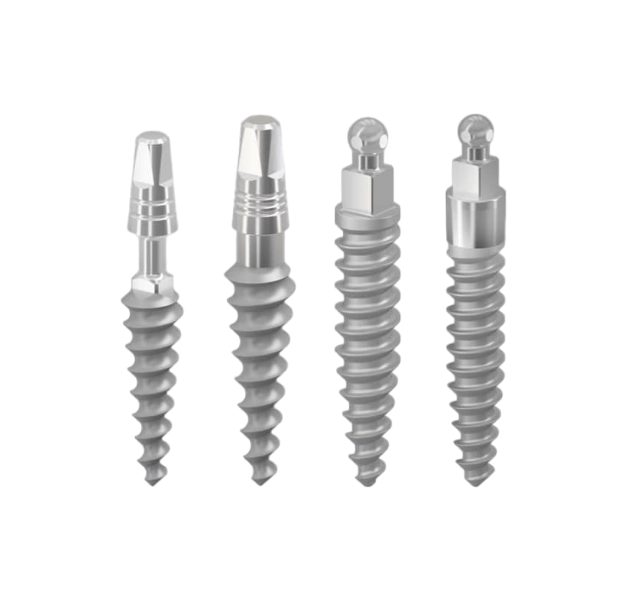
Tooth loss affects far more people than you might expect. Over 175 million Americans are missing at least one tooth, and nearly 40 million have no natural teeth left at all. These figures underscore the importance of exploring effective tooth replacement options that address the challenges associated with tooth loss. Whether due to decay, gum disease, or injury, tooth loss can make it harder to eat comfortably, speak clearly, and feel confident in your smile. Fortunately, dental implants are a long-lasting and reliable solution for replacing missing teeth. By providing a secure foundation for prosthetic teeth, implants restore function and help protect your oral health. With dental implants, you can enjoy restored dental function and the confidence and peace of mind that come with a healthy smile. What Are Dental Implants? Dental implants are artificial tooth roots crafted from titanium. We insert the posts into your jawbone to securely anchor dental restorations like crowns, bridges, and dentures. This system is a durable, long-lasting solution for tooth loss, closely resembling the appearance and function of your natural teeth. For those seeking a permanent tooth replacement solution that looks and feels natural, dental implants are generally the best choice. The Advantages of Dental Implants Dental Implants in Springfield, MO | Book a FREE Consultation Traditional implants (left) are composed of two pieces, while mini implants (right) consist of just one. Dental implants offer life-changing benefits for those dealing with tooth loss. These titanium roots fuse securely with your jawbone, replicating the strength and stability of natural teeth. With implants, you can eat your favorite foods, speak with ease, and smile with confidence—just like you used to. But the benefits of dental implants go beyond what meets the eye. They also help preserve the strength and structure of your jawbone. When teeth are missing, the jawbone lacks the stimulation from your tooth roots when you bite and chew. This stimulation is crucial for maintaining bone density and volume. Without it, the bone begins to resorb and break down. Dental implants solve this problem by keeping your jawbone active, preserving its strength, and stopping further bone loss. Other options, like fixed bridges and removable dentures, are unable to prevent this deterioration. Of course, protecting your jawbone is just one part of the story. Dental implants are also meant to stand the test of time, making them a wise investment in your well-being. When you take care of them with regular checkups and healthy oral habits, implants can last a lifetime. Mini Implants vs. Traditional Implants There are different types of dental implants, each with a unique design. While traditional two-piece implants have been common for years, they come with certain drawbacks. That’s why many practices, including ours, prefer the innovative one-piece mini implant, which is a simpler, more patient-friendly option. Traditional Implants Traditional implants consist of a titanium screw, about 5 millimeters in diameter, that is surgically inserted into the jawbone. A separate abutment piece connects the dental restoration to the implant base. While traditional implants are effective, many people aren’t eligible for them because their large size requires an ample jawbone for successful placement. Patients with a weak or thin jawbone may not qualify at all, or they may need bone grafting to strengthen the bone. This extra surgery is an added expense that also extends the treatment timeline. Even without bone grafting, traditional implants often demand more time and effort than patients anticipate. After the implant is placed, there’s a healing phase where the bone fuses with the implant, a process called osseointegration. This important step can take several months, as the bone needs time to fully heal and bond with the implant. After successful integration, the final dental restoration is attached, completing the process. For some, this method can extend up to a year, especially if bone grafting is part of the treatment.
Video: Dental Implants
Link: Dental Implants
They say good things come in small packages, and mini dental implants are no exception. Although narrow in diameter, they’re a strong and reliable solution for replacing missing teeth without the lengthy or invasive process of traditional implants. At the Mini Dental Implant Center of America in Springfield, MO, we’ve seen how these small implants can make a big difference in our patients’ lives. With mini dental implants, everyday activities like enjoying a meal, having a conversation, or simply sharing a smile become easier and more natural again. Many of our patients tell us they feel like themselves for the first time in years. With a quicker, less invasive procedure and immediate results, mini dental implants are helping more people reclaim their oral health and enjoy a better quality of life. Mini Dental Implants Explained Mini Dental Implants in Springfield, MO | Book a FREE ConsultationMini dental implants and traditional dental implants share a common function: they serve as sturdy foundations for false teeth. Both types replace the roots of a natural tooth, securely anchoring dental prosthetics—like crowns, bridges, or dentures—to the jawbone. However, mini dental implants are a streamlined alternative with a different size and design. Traditional implants are around 5 millimeters wide and come in two pieces, while mini implants are a single piece measuring less than 3 millimeters wide. Due to their unique construction, we can use a much simpler technique to place mini implants. Rather than cutting open the gums and drilling a large hole into the jawbone, we can gently anchor a mini implant directly through the gums. It’s a much less invasive method that causes less disruption to the surrounding tissues. As you might expect, this minimally invasive approach leads to a quicker and more comfortable experience as well as a shorter recovery time. With mini dental implants, everything feels simpler: fewer visits, an easier procedure, and faster healing. They’re a less complicated and more affordable way to restore your smile. Tooth Replacement Options With Mini Dental Implants Mini dental implants are a versatile, patient-friendly solution for many tooth replacement needs. Their small but durable design makes them a great choice for replacing missing teeth, especially for individuals who have experienced bone loss. Here are some of the ways we use mini implants to help our patients: Implant-supported crowns: Mini implants can support a custom dental crown to replace an individual tooth. Dental bridges: If you’re missing several teeth in a row, mini implants can hold a bridge securely in place. Unlike traditional dental bridges that rely on healthy teeth for support, implant bridges protect your natural teeth while filling the gap. Implant dentures: Mini implants can also provide a secure and stable alternative to traditional dentures. Implant dentures, whether removable or fixed, eliminate common denture problems like slipping and discomfort. Full mouth reconstruction: For patients with extensive tooth loss, severe decay, or other serious dental issues, mini implants can serve as the foundation for full-mouth reconstruction. This highly customized treatment gives you back a healthy and functional smile. The Mini Dental Implant Procedure: An Overview The Mini Implant Consultation Before opting for mini dental implants, your journey begins with a free consultation. At this appointment, we’ll thoroughly review your medical history and concerns. You’ll have the opportunity to discuss your goals and what you hope to achieve with your treatment. At this visit, we will also take precise 3D CBCT scans to evaluate your jawbone structure, oral health status, and specific restorative needs. We’ll also take digital impressions so the dental lab can create your custom restoration. These steps are crucial for customizing your treatment plan and ensuring the best possible outcomes with mini dental implants.
Video: Mini Dental Implants
Link: Mini Dental Implants
Link: Same-Day Dental Implants
Link: Sinus Lift
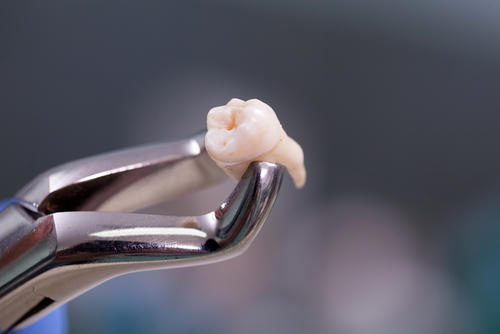
While it may sound daunting, a dental extraction is a common procedure that safeguards your oral health. The goal is to alleviate pain, prevent future dental complications, and pave the way for a healthier you! Whether addressing severe decay, resolving overcrowding, or preventing the spread of infection, tooth extraction is a vital tool that improves oral health and enhances functionality. In many cases, removing infected or broken teeth provides the foundation for further restorative treatments! At the Mini Dental Implant Center of America (MDICA) in Springfield, MO, we replace extracted teeth with mini dental implants. This tooth replacement method allows you to restore your smile in just one day! Do I Need a Tooth Extraction? A tooth extraction involves carefully removing a tooth from its socket within the bone. This standard dental procedure is vital in addressing various oral health challenges, as it ensures that your dental well-being is maintained or improved. At the MDICA in Springfield, MO, we may recommend extraction for several important reasons to preserve your dental health: Severe decay: Removal is often the best course of action when the tooth decays beyond repair. Tooth Extraction in Springfield, MO | Free Implant ConsultationsPeriodontal disease: When gum disease has advanced significantly and the tooth can no longer be saved, extraction can prevent further damage to surrounding tissues. Unsuccessful root canal: In cases where a root canal treatment cannot save a tooth, or if the tooth becomes re-infected after a root canal, tooth extraction may be necessary. We take this step to remove the source of infection and protect the health of the surrounding teeth and jawbone. Overcrowding: When teeth are overcrowded, they appear crooked. They may also cause discomfort and make it challenging to clean your teeth effectively. Removal can help align teeth properly, serving as a starting point for effective orthodontic treatment. Trauma: Extractions may be the only option for teeth that suffer severe damage due to dental trauma. Fortunately, we can restore your smile with mini dental implants. Simple vs. Surgical Tooth Extraction When we perform a tooth extraction, it falls into one of two categories: simple or surgical. The distinction between these two types is based on the tooth’s visibility and the complexity of the removal process. We perform a simple extraction on teeth that are visible and easily accessible in the mouth. Using specialized tools, we will carefully loosen the tooth and remove it. A surgical extraction, however, is a more complex procedure. When teeth are not easily accessible or partially under the gums, we will use more advanced surgical techniques. This may involve making an incision in the gums to reveal the tooth, or even breaking the tooth into smaller pieces! Regardless of the method, we provide innovative solutions with mini dental implants to restore your missing teeth in one appointment.
Video: Tooth Extractions
Link: Tooth Extractions